
The Quest for Color: Navigating Multi-Material FDM 3D Printing
The world of Fused Deposition Modeling (FDM) 3D printing is experiencing a vibrant transformation, driven by an insatiable demand for greater complexity and aesthetic appeal. For years, the dream of seamlessly integrating multiple colors and materials into a single print has captivated engineers, designers, and hobbyists alike. While the term "color changing FDM 3D printers" might conjure images of a magical filament that shifts hues on demand, the reality in today's FDM landscape is far more sophisticated and, arguably, more practical: it revolves predominantly around multi-material management, often facilitated by advanced tool-changing systems.

At PRINTie 3D, Jordan's leading 3D printing company since 2012, we've witnessed firsthand the rapid evolution of this technology. From single-color prototypes to intricate multi-material functional parts, the journey towards truly versatile FDM has been fascinating. This blog post delves into the core distinctions between what some might envision as "color changing" (a single, dynamically altering filament) and the established, highly effective method of "tool changing" for multi-color and multi-material FDM printing. We'll explore the current state of the art, the challenges, and what the future holds for FDM enthusiasts in Amman and beyond.
Understanding the Core Concepts: Tool Changing vs. Dynamic Color Change
What is Tool Changing in FDM 3D Printing?
When we talk about "tool changing" in the context of FDM 3D printing, we are referring to systems designed to handle multiple filaments, and often, multiple extrusion heads or nozzles, within a single print job. This allows the printer to switch between different materials or colors during the printing process. The printer pauses, retracts the current filament, moves the print head (or switches to a different print head), loads a new filament, and then resumes printing with the new material or color.

- Multiple Filaments: The most common form involves feeding different spools of filament (each a distinct color or material) into a shared or dedicated extruder system.
- Multiple Extruders/Nozzles: Some advanced systems feature multiple independent extruders, each loaded with a different filament, allowing for quicker changes and sometimes even simultaneous printing of different sections.
- Automated Material Systems (AMS): These are sophisticated units that manage numerous filament spools, automatically feeding the correct filament to the extruder as needed. They handle loading, unloading, and sometimes even drying of materials.
This method is the backbone of most multi-color and multi-material FDM prints you see today. It's a robust solution for achieving distinct color blocks, integrating different material properties (e.g., rigid plastic with flexible TPU), or even creating soluble support structures.
The Theoretical Ideal: Dynamic Color Change Filament
The concept of a single filament that can dynamically change color during printing is largely still in the realm of research and development, or niche applications. While there are some filaments that change color based on temperature (thermochromic) or UV light (photochromic), these are passive changes dictated by external factors, not active, user-controlled color shifts mid-print. For instance, a thermochromic filament might print green but turn yellow when heated, or a photochromic filament might be white indoors and turn blue in sunlight. These are fascinating for specific applications but do not offer the precise, on-demand color control required for complex multi-color designs.
The vision of a single filament that could be programmed to extrude in a specific, chosen color at any given layer or point remains a significant challenge. It would likely require a revolutionary approach to material science, potentially involving embedded pigments that can be activated or altered by electrical signals, light, or chemical reactions within the extruder itself. While this would offer unparalleled simplicity in terms of material management, it is not a widespread or perfected technology in the FDM space today.
The Reality of Multi-Color FDM: Brute-Forcing Through Multi-Material Systems
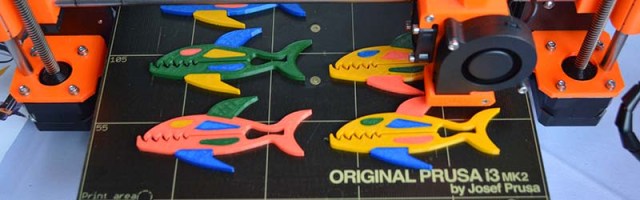
Expert opinions frequently highlight that current multi-color FDM often involves "brute-forcing" through multi-material systems. This means that to achieve a multi-color print, you are essentially leveraging the printer's ability to handle multiple distinct materials (even if those materials are just different colors of the same plastic, like PLA). The printer isn't creating new colors from a single source; it's meticulously switching between pre-colored filaments.
Current Approaches and Their Nuances:
- Filament Swapping: This is the most common and accessible method. The printer extrudes one color, retracts it, purges the nozzle to remove residual color, loads the next color, and continues. While effective, purging can lead to material waste, as a small amount of filament is extruded to ensure the new color is pure. Systems are continuously improving to minimize this waste.
- Multi-Extruder Systems: Printers with multiple independent extruders (e.g., dual extruders) can speed up color changes and reduce purging, as each nozzle is dedicated to a specific filament. However, these systems can add complexity in calibration and increase the moving mass of the print head.
- Advanced Material Management Systems: Recent innovations have focused on making filament swapping more efficient and user-friendly. These systems often include features like automatic filament loading, detection of run-out, and optimized purging routines to reduce waste.
The Trade-offs and Challenges:
- Material Waste: As mentioned, purging the nozzle during color changes generates a small amount of plastic waste. While some advanced systems are designed for "zero waste" multi-color capabilities, it's an ongoing area of improvement.
- Print Time: Each color change adds a small pause to the print, increasing the overall print duration, especially for designs with many intricate color shifts.
- Complexity: Managing multiple filament spools, ensuring proper loading, and calibrating for multi-material prints can be more complex than single-material printing, particularly for new FDM enthusiasts.
- Color Accuracy: Achieving precise color matching across different filament batches or brands can be a challenge.
The Future is Bright: Trends and Innovations
The landscape of FDM 3D printing is undeniably geared towards enhancing multi-material and multi-color capabilities. Formnext 2025 revelations, for instance, highlight that affordable multi-material printing is a significant innovation expected to be widespread by 2026. This aligns with a broader market growth period for FDM from 2024–2030, driven by increased adoption in tooling and small-batch production, areas where multi-material capabilities offer immense value.
What to Expect:
- Improved Material Compatibility: Ongoing research and development are focusing on making it easier to print with diverse material combinations, including engineering-grade plastics, flexibles, and composites, within a single print.
- Enhanced Color Accuracy and Reliability: Expect more sophisticated software and hardware solutions to ensure consistent color representation and fewer print failures associated with multi-material changes.
- User-Friendly Interfaces: As multi-material printing becomes more common, the user experience, particularly for new FDM users, will be streamlined, making complex setups easier to manage.
- Waste Reduction: Continuous innovation in purging techniques and material management systems will aim to minimize the material waste associated with color changes.
- Bridging the Gap to Full Color: While FDM currently excels at "multicolor" (multiple distinct colors from different filaments), the ultimate goal of "full color" (a broader spectrum of hues and gradients, often achieved by technologies like material jetting) is being approached through advancements in multi-material handling. Imagine FDM printers that can blend primary colored filaments to create a wider palette on demand – a significant step beyond simple filament swapping.
FDM in the Jordanian Context: Opportunities for Multi-Color Printing
Here in Jordan, businesses and individuals are increasingly leveraging the power of FDM 3D printing. From creating detailed architectural models to producing manufacturing tooling and jewelry prototypes, the demand for sophisticated 3D printing solutions is growing. Multi-color FDM printing opens up new avenues:
- Prototyping: Visualizing complex designs with different colored components before full production.
- Educational Models: Creating engaging, color-coded anatomical or mechanical models for schools and universities.
- Consumer Products: Developing products with enhanced aesthetic appeal and brand differentiation.
- Art and Design: Empowering artists and designers to bring intricate, multi-hued visions to life.
At PRINTie 3D, we are committed to staying at the forefront of these advancements, offering FDM 3D printing services that harness the latest multi-material capabilities. Whether you're a student with a vibrant project idea or a business looking to innovate, understanding the nuances of multi-color FDM printing is key to unlocking its full potential.
Conclusion: The Practicality of Tool Changing Reigns Supreme
While the allure of a single, dynamically color-changing filament is strong, the practical and effective solution for multi-color and multi-material FDM 3D printing today lies firmly in tool-changing systems. These systems, though sometimes involving a "brute-force" approach of managing multiple distinct filaments, are continually evolving to be more efficient, reliable, and user-friendly.
The future promises even greater sophistication, with ongoing improvements in material compatibility, waste reduction, and the potential to bridge the gap towards a more comprehensive color palette. For anyone in Jordan looking to explore the exciting possibilities of multi-color FDM, understanding these technologies is the first step towards bringing your most colorful ideas to life.
Curious about how multi-color FDM can benefit your next project? Get in touch with PRINTie 3D today for a consultation or to discuss your specific needs. Our team of experts is ready to help you navigate the vibrant world of advanced 3D printing.