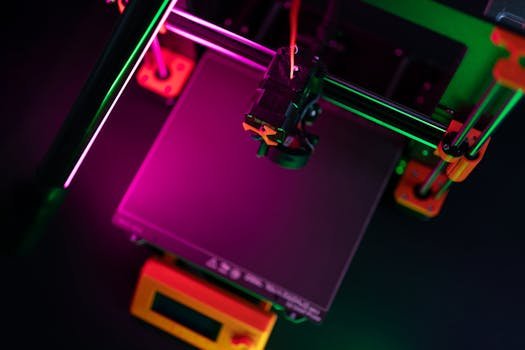
Understanding FDM 3D Printing
Fused Deposition Modeling (FDM) is the most widely used 3D printing technology, and for good reason. It's versatile, affordable, and capable of producing functional parts in a wide range of materials.
How FDM Works
FDM printers work by heating thermoplastic filament and extruding it layer by layer to build up a 3D object. The process is straightforward but mastering it requires understanding several key variables.
Choosing the Right Filament
The filament you choose depends on your application. PLA is great for prototypes and decorative items. ABS offers better heat resistance. PETG combines the best of both worlds. For engineering applications, consider Nylon or Polycarbonate.
Slicer Settings That Matter
Layer height, print speed, temperature, and infill density are the four settings that most dramatically affect your print quality. Start with manufacturer recommendations and fine-tune from there.
Common Issues and Solutions
From stringing to warping, most FDM printing issues have straightforward solutions. Proper bed leveling and temperature calibration solve 80% of common problems.
When to Choose FDM
FDM is ideal for prototyping, functional parts, large models, and architectural mockups. For high-detail work like jewelry or dental applications, consider resin printing instead.